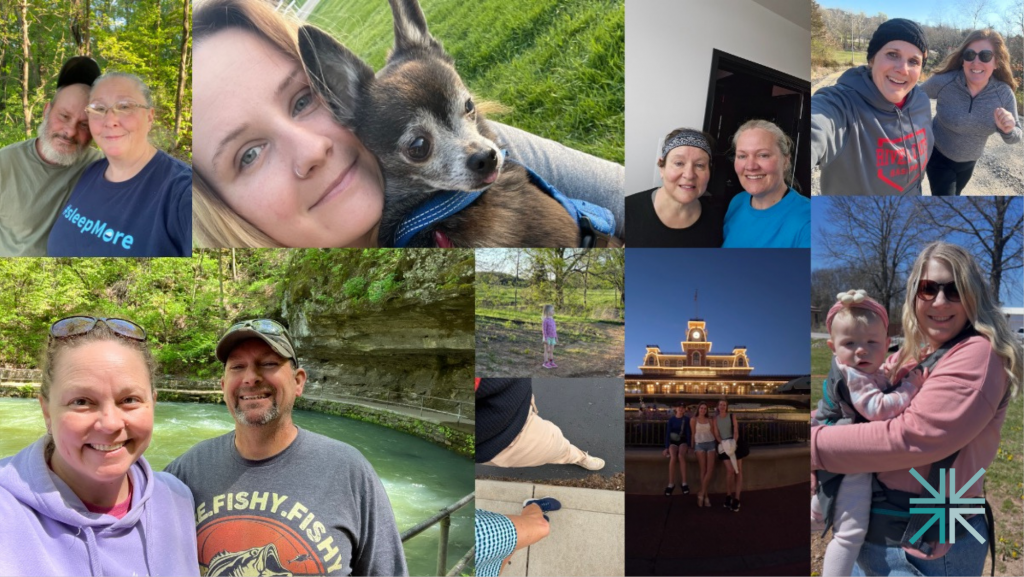

Empathy is at the core of Cynthia Conigliaro’s approach to workplace wellness and leadership. With more than 20 years of experience in health, wellness, and organizational resilience, Cynthia has helped companies nationwide create healthier, more connected workplace cultures.
As the founder of WorkWell Webinars and a certified trainer in mindset and stress management, Cynthia focuses on emotional well-being, communication, leadership, and work-life balance. Through practical strategies and engaging conversations, she empowers leaders and employees to strengthen communication, reduce stress, and build stronger workplace relationships.
Why Empathy Is One of the Most Important Workplace Skills Today
In today’s workplace, technical skills and productivity metrics are no longer enough to create strong teams and healthy organizational cultures. Employees want to feel heard, respected, and understood, and organizations that prioritize empathy are seeing the benefits in engagement, collaboration, retention, and overall well-being.
Empathy in the workplace is more than simply being “nice.” It’s the ability to understand another person’s perspective, recognize their experiences and emotions, and respond in a way that builds trust and connection. In fast-paced work environments where stress, burnout, and communication breakdowns are increasingly common, empathy has become an essential leadership and workplace skill.
The Business Impact of Empathy
Research continues to show that empathetic workplaces perform better. Employees who feel supported by leadership are more likely to stay engaged, contribute ideas, and maintain stronger relationships with coworkers. Empathy also plays a major role in reducing workplace conflict and improving communication across teams.
When organizations foster empathetic cultures, employees often experience:
- Greater psychological safety
- Stronger collaboration and teamwork
- Increased employee engagement
- Better communication between leadership and staff
- Reduced stress and burnout
- Higher morale and retention
When employees feel valued, they are more likely to thrive.
In many organizations, employees are balancing demanding workloads, personal responsibilities, and constant digital communication. Without empathy, workplace interactions can quickly become transactional and disconnected. When it is present, teams are often more collaborative, adaptable, and supportive during challenges.
Managers and team leaders set the tone for workplace culture, and leaders who approach conversations with empathy can build stronger trust, improve communication, and create environments where employees feel comfortable sharing feedback and concerns.
Empathy Starts with Communication
One of the biggest misconceptions about empathy is that it requires having the “perfect” response. In reality, it often begins with listening.
Simple actions like giving someone your full attention, validating concerns, asking thoughtful questions, and remaining curious instead of reactive can completely change workplace interactions. Empathetic communication creates space for employees to share challenges, ideas, and feedback openly.
Leaders who communicate with empathy also create stronger trust within their teams. Employees are more likely to feel comfortable discussing workloads, stress, or workplace concerns when they know they’ll be met with understanding rather than judgment.
Building a Culture of Empathy
Creating an empathetic workplace culture requires intentional effort at every level of an organization. While leadership plays a key role, empathy is something that can be practiced and strengthened by everyone.
Organizations can:
- Encouraging active listening
- Prioritizing employee well-being
- Creating open communication channels
- Supporting work-life balance
- Providing mental health and wellness resources
- Training managers on emotional intelligence and communication
Small daily interactions often have the biggest impact. A thoughtful check-in, flexibility during stressful periods, or simply acknowledging someone’s experience can help employees feel supported and connected.
Watch the Masterclass
To help organizations and employees better understand the power of empathy in today’s workplace, Motion Connected hosted an engaging masterclass focused on communication, resilience, and workplace culture.
During the Masterclass, attendees explored practical strategies for improving workplace communication, supporting employee well-being, and building stronger organizational cultures rooted in empathy and understanding.
Whether you’re a leader, manager, HR professional, or employee looking to strengthen workplace relationships, this session offers actionable insights you can apply immediately.
At Motion Connected, we believe creating healthier workplaces starts with meaningful conversations.